 Dost Pakistan Journeys Tours and safaris in the North & South Pakistsn
Related Articles


Pakistan’s Economic Outlook: Cautious Optimism Post US-Iran Deal – An Analysis
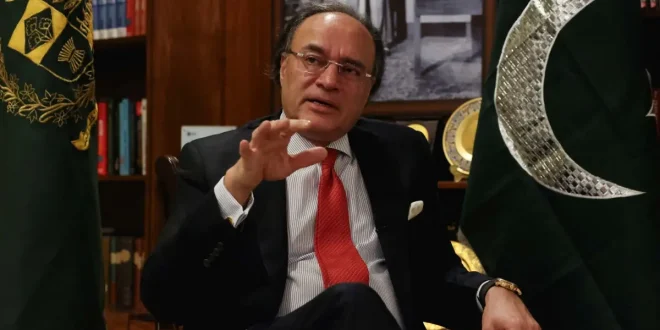
Following a significant peace accord between the United States and Iran, Pakistan’s Finance Minister Muhammad Aurangzeb has articulated a vision of potential economic uplift for the nation. While acknowledging the prospective upsides for Pakistan’s Fiscal Year 2027 (FY27) budget, particularly in light of reduced regional tensions, Aurangzeb has wisely adopted a stance of cautious optimism. He emphasized that it remains “way too premature” to revise current budget projections, highlighting the protracted timeline required for energy infrastructure recovery and the normalization of disrupted global supply chains.
The News
The recent signing of a peace deal between the US and Iran, aimed at de-escalating the Middle East conflict, has opened a window of opportunity for countries like Pakistan. Finance Minister Muhammad Aurangzeb quickly noted the potential for improved economic projections for Pakistan by FY27. However, he cautioned that the economic benefits would not be immediate, citing extensive damage to critical energy infrastructure. This damage, he explained, would necessitate a significant period before global supply chains, which had previously contributed to Pakistan’s double-digit inflation, could return to normalcy.
Despite foreseeing positive impacts on next year’s budget figures, Aurangzeb firmly stated that any immediate revision of the recently presented budget would be premature. This budget targets a 4 percent economic growth rate and an 8.2 percent inflation rate. It also allocates an 18 percent increase to defence spending, reaching Rs3 trillion, while banking on enhanced tax revenue generation to maintain adherence to an ongoing $7 billion International Monetary Fund (IMF) program.
Beyond the immediate budget, Pakistan is charting a strategic shift in its external debt management. Aurangzeb revealed plans to utilize commercial borrowing in FY27 to alter the nation’s creditor profile, aiming to replace some bilateral debt without escalating the overall external debt volume. This strategy includes exploring various international bond markets through issuances like Panda Bonds, Eurobonds, US dollar bonds, and a novel rupee-linked, dollar-settled instrument, with specific sizes yet to be determined. Pakistan has already secured approval for $1 billion in Panda bonds, following a successful $250 million debut supported by multilateral banks.
Regarding other economic facets, the minister acknowledged a surge of interest in Pakistan’s defence industry post-conflict with India but deemed it too early to project export gains. The government’s immediate focus remains on securing its “active” borders with Afghanistan and India. Furthermore, Pakistan has been actively formalizing its nascent digital asset sector, forging partnerships with entities like Binance. Aurangzeb indicated that while the sector would eventually be taxed, the current priority is on regulation and formalization, with revenue gains expected to follow suit.
Background: Understanding Pakistan’s Economic Canvas
To fully grasp the implications of Minister Aurangzeb’s measured statements, it’s vital to contextualize them within Pakistan’s economic realities and the broader geopolitical landscape.
The Geopolitical Shift: US-Iran Deal
The Middle East conflict has been a persistent destabilizing force, directly impacting global energy markets and maritime trade routes, most notably the Strait of Hormuz. A peace deal between the US and Iran signals a potential return to stability, which historically leads to more predictable and often lower global oil prices. For an energy-importing nation like Pakistan, this is a critical development. Reduced oil prices translate into a lower import bill, alleviating pressure on foreign exchange reserves and offering a significant buffer against imported inflation, which has plagued the Pakistani economy for years.
Pakistan’s Economic Predicament
Pakistan has long navigated a turbulent economic environment characterized by chronic fiscal deficits, substantial external debt, and high inflation. The nation’s heavy reliance on energy imports makes its economy particularly vulnerable to global price fluctuations. These structural weaknesses frequently lead Pakistan to seek assistance from multilateral lenders like the IMF, whose programs are contingent upon strict fiscal discipline, tax reforms, and structural adjustments designed to stabilize the economy and foster sustainable growth.
The External Debt Strategy: Diversification and De-risking
Pakistan’s considerable external debt has been a recurring concern, consuming a significant portion of its national budget for servicing rather than development. The proposed shift from bilateral loans (often extended by specific governments with strategic interests) to commercial borrowing from international capital markets is a strategic move. It aims to diversify Pakistan’s creditor base, potentially secure more flexible repayment terms, and reduce over-reliance on a few key creditors. This diversification, however, also exposes the country to global market sentiments, interest rate volatility, and the need for consistent fiscal prudence to maintain investor confidence.
Formalizing the Digital Frontier
The global proliferation of digital assets, including cryptocurrencies and tokenization, presents both opportunities for financial innovation and challenges related to regulation and oversight. Countries worldwide are grappling with how to integrate this sector into their traditional financial systems while mitigating risks such as illicit financing and investor protection. Pakistan’s initiative to formalize and regulate its digital asset sector aligns with this global trend, aiming to harness its potential for economic growth and future revenue generation.
Impact on Pakistan: Opportunities and Lingering Challenges
The convergence of a calmer Middle East and Pakistan’s proactive economic strategies sets the stage for a period of both potential advancement and persistent hurdles.
Prospective Economic Opportunities:
- Inflationary Control: A more stable global oil market, stemming from regional peace, could significantly curb Pakistan’s imported inflation, helping to bring its double-digit rates closer to the targeted single-digit figure.
- Reduced Import Expenditure: Lower and more predictable energy prices would substantially reduce Pakistan’s hefty oil import bill, easing pressure on its balance of payments and foreign exchange reserves.
- Supply Chain Resilience: The gradual repair of damaged infrastructure and normalization of trade routes in the Middle East will stabilize global supply chains, ensuring a more consistent flow of essential goods and raw materials, crucial for Pakistan’s manufacturing and exports.
- Enhanced Investor Confidence: A reduction in geopolitical risks typically translates into increased international investor confidence, potentially attracting much-needed foreign direct investment (FDI) and portfolio inflows into Pakistan.
- Improved Fiscal Headroom: Potential savings on energy imports and enhanced economic stability could provide the government with greater fiscal space, allowing for increased allocations towards crucial development projects and social welfare, rather than solely prioritizing debt servicing.
Enduring Challenges and Prudent Cautions:
- Lagging Normalization: As highlighted by Aurangzeb, the physical reconstruction of damaged energy infrastructure will take time. Therefore, the full economic benefits of regional peace on supply chains and energy prices will not materialize immediately, requiring sustained patience.
- Deep-Seated Economic Issues: While external factors offer some relief, Pakistan’s intrinsic economic vulnerabilities—such as a narrow tax base, inefficient public sector enterprises, and chronic energy sector debt—remain. The success of the IMF program and long-term stability hinges on robust domestic structural reforms.
- Debt Strategy Nuances: The shift towards commercial borrowing, while offering diversification, may expose Pakistan to potentially higher interest rates and global market volatility compared to concessionary bilateral loans. Meticulous management will be paramount to prevent an escalation of the debt servicing burden.
- Ambitious Revenue Targets: Achieving the ambitious tax revenue targets stipulated by the IMF program will be challenging, demanding effective policy implementation, broadening the tax net, and improving tax compliance.
- Persistent Geopolitical Realities: Despite the Middle East peace deal, Pakistan’s immediate geopolitical environment, particularly its “active” borders with Afghanistan and India, necessitates continued significant defence allocations, which impacts the national budget and resource distribution.
Analysis: Balancing Optimism with Pragmatic Realism
Finance Minister Aurangzeb’s public statements reflect a carefully calibrated strategy: embracing the potential for positive external shocks while firmly anchoring expectations in domestic economic realities. This pragmatic realism is a cornerstone of responsible economic governance.
Firstly, the “way too premature” stance on budget revisions is strategically sound. A major geopolitical breakthrough, while transformative, does not instantly repair the intricate web of global commerce or physical infrastructure. The cascading effects on energy prices, shipping costs, and supply chain efficiencies will manifest gradually over several months, not overnight. Overly optimistic revisions now could lead to a shortfall later, undermining fiscal credibility. Aurangzeb’s approach demonstrates foresight, preparing for potential improvements without jeopardizing current fiscal discipline.
Secondly, Pakistan’s deliberate pivot towards diversifying its external debt from bilateral to commercial sources marks a significant evolution in its financial strategy. While bilateral loans often come with the advantage of concessionary rates, they can also be tied to specific political or strategic conditionalities and limited flexibility. By accessing global commercial markets through instruments like Panda and Eurobonds, Pakistan seeks to tap into a broader investor base, potentially enhance its sovereign credit rating over time (assuming strong fiscal management), and reduce over-reliance on a limited number of bilateral partners. The introduction of a rupee-linked, dollar-settled bond is particularly innovative, aiming to leverage domestic currency appeal while providing the security of dollar settlement, potentially attracting a new class of international investors.
Thirdly, the unwavering emphasis on boosting tax revenue to stay compliant with the IMF program underscores a fundamental truth: while external factors can provide temporary relief, Pakistan’s long-term economic stability and growth are contingent upon robust domestic structural reforms. Expanding the tax base, ensuring equitable and efficient tax collection, and rationalizing public expenditures are critical steps towards achieving fiscal self-reliance and breaking the cycle of external financial dependency.
Finally, the government’s proactive steps in formalizing the digital asset sector demonstrate a forward-looking approach to economic modernization. By prioritizing regulatory frameworks before imposing taxation, Pakistan aims to foster a secure and innovative environment for digital finance. This not only positions the country to harness the benefits of emerging financial technologies but also ensures the development of a new, legitimate revenue stream once the sector matures and is fully integrated into the formal economy.
In summation, while the US-Iran deal presents a significant positive externality for the global and, by extension, the Pakistani economy, Minister Aurangzeb’s cautious optimism is a hallmark of strategic economic planning. Pakistan’s journey towards sustainable economic recovery and growth remains a complex interplay of capitalizing on external opportunities, rigorously implementing domestic reforms, and prudently managing its financial obligations amidst its own unique regional security challenges.
Disclaimer: This article provides an independent analysis based on available news and economic principles and should not be considered financial advice.