Dost Pakistan Journeys Tours and safaris in the North & South Pakistsn
Related Articles


“`html
Karachi’s Silent Threat: How Urban Heat Islands are Fueling a Public Health Crisis
Karachi, Pakistan’s largest metropolis, is confronting an intensifying environmental challenge that threatens to unravel public health and productivity. A leading community health expert from Aga Khan University has issued a stark warning: the city’s rapidly worsening urban heat problem is not merely an environmental inconvenience but a silent precursor to a public health meltdown, demanding immediate and coordinated action.
What Happened: An Expert’s Grave Warning
On the eve of World Environment Day, Professor Zafar Fatmi, Head of Environmental Occupational Health and Climate Change at Aga Khan University, underscored the critical nature of Karachi’s escalating urban heat. He highlighted that the city’s unique development trajectory, coupled with global climate change, is creating a dangerously potent urban heat island (UHI) effect. Studies, including a significant 2026 multi-city Pakistan report, indicate Karachi registers the highest urban-rural temperature differential among major Pakistani cities—a staggering 4.5°C. Further microscale research revealed that individuals, especially outdoor workers like delivery riders and rickshaw drivers, experience temperatures far exceeding official city averages, sometimes by over 5°C under direct sun.
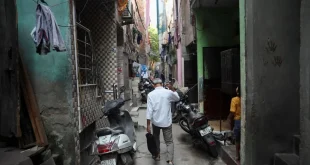
Professor Fatmi’s warning extends beyond mere temperature readings, emphasizing that the “real exposure” people face in daily life—at bus stops, traffic signals, and crowded markets—is fundamentally different from meteorological reports. This pervasive heat, silently eroding public health and productivity, is a direct consequence of the city’s unchecked growth and environmental degradation.
Background: The Anatomy of Karachi’s Urban Heat Island
The concept of an “urban heat island” describes how metropolitan areas become significantly warmer than their surrounding rural landscapes. This phenomenon is a complex interplay of natural and anthropogenic factors, exacerbated by rapid urbanization. In Karachi’s context, Professor Fatmi explicitly links the growing intensity of UHI to several key drivers:
- Dense Construction & Concrete Domination: An explosion of concrete structures, roads, and high-density buildings replaces natural landscapes, absorbing and retaining heat. These materials have low albedo, meaning they reflect less solar radiation and store more heat throughout the day, releasing it slowly at night.
- Loss of Green Spaces: The relentless conversion of parks, open fields, and tree-lined avenues into built environments strips the city of its natural cooling mechanisms. Trees provide shade and cool the air through evapotranspiration, a process that significantly mitigates heat.
- Traffic Congestion & Pollution: Karachi’s notorious traffic contributes to heat through vehicle emissions, which release exhaust gases and particulate matter, trapping heat and degrading air quality.
- Industrial Activity: The city’s industrial zones also generate significant waste heat, further compounding the problem.
This localized heat generation is then amplified by the broader context of global climate change, leading to more frequent, intense, and prolonged heatwaves. The consequence is that Karachi is not just getting hotter due to global trends; it is actively building itself into a heat trap.
Why It Matters: A Multi-pronged Health Crisis
The implications of this escalating urban heat extend far beyond discomfort, posing severe threats across public health, economic stability, and social equity:
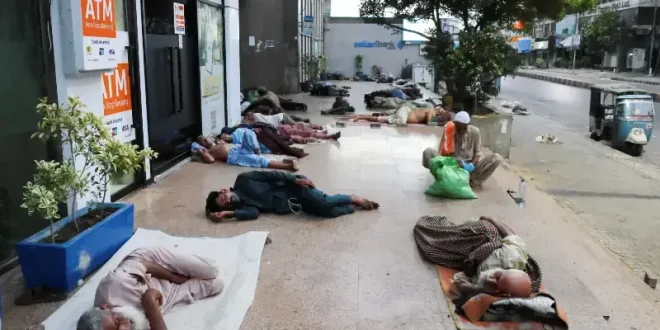
- Direct Health Impacts: The most immediate consequences include dehydration, heat exhaustion, dizziness, headaches, poor sleep quality, fatigue, and fainting. Vulnerable populations, such as the elderly, children, pregnant women, and individuals with chronic conditions (heart disease, lung disease, diabetes), face significantly higher risks of severe illness and mortality. Outdoor workers, who are indispensable to the city’s economy, are on the front lines, experiencing debilitating heat exposure daily.
- Synergy with Air Pollution: Karachi residents grapple with a double burden of heat and severe air pollution. Research from hundreds of cities demonstrates that high temperatures can intensify the adverse health effects of pollutants like particulate matter. The combined exposure to heat and pollution can elevate mortality risk far beyond what either factor would cause alone, creating a toxic cocktail for respiratory and cardiovascular systems.
- Increased Infection Risks: Higher temperatures, especially when coupled with weak water, sanitation, and waste management systems, create ideal breeding grounds for pathogens and vectors. Food spoils faster, stored water becomes unsafe, and stagnant water bodies promote mosquito breeding. This raises the incidence of vector-borne diseases (like dengue and malaria) and water/food-borne infections, straining an already overburdened healthcare system.
- Economic and Social Disruption: Reduced productivity among outdoor workers, increased absenteeism, and a strain on healthcare resources impose substantial economic costs. Socially, the constant battle against heat erodes the quality of life, particularly for low-income communities residing in poorly ventilated homes or working in exposed conditions, perpetuating cycles of poverty and inequality.
Impact on Pakistan: A National Wake-Up Call
While Professor Fatmi’s analysis focuses specifically on Karachi, his warnings resonate across Pakistan. Many of the nation’s rapidly expanding urban centers, from Lahore to Faisalabad, are experiencing similar patterns of unchecked concrete growth, deforestation, and increasing pollution. These cities are also grappling with the dual pressures of local environmental degradation and global climate change, making Karachi a critical case study and a stark harbinger of the challenges awaiting other urban landscapes.
Pakistan is already recognized as one of the countries most vulnerable to climate change. The escalating urban heat in its economic engine, Karachi, not only threatens the city’s stability but also has profound national implications. A decline in productivity, increased public health expenditures, and social unrest resulting from sustained heat stress could undermine national development goals and exacerbate socio-economic disparities, particularly impacting the millions who depend on outdoor work for their livelihood.
Analysis: Beyond Emergency Response to Systemic Change
Professor Fatmi’s analysis correctly identifies that emergency response, while crucial, is insufficient to address the systemic nature of Karachi’s urban heat crisis. A truly climate-resilient Karachi—and by extension, a resilient Pakistan—requires a two-pronged strategy: robust emergency preparedness coupled with fundamental, source-level heat reduction.
Immediate & Emergency Actions:
These are vital for protecting lives during heatwaves:
- Public Health Alerts: Clear, simple advisories in local languages, detailing heat risks and preventative measures.
- Cooling Infrastructure: Establishing shaded bus stops, public drinking-water points, and designated cooling spaces in public buildings.
- Vulnerable Population Support: Specific guidance for schools, emergency preparedness in hospitals, and legal protections for outdoor workers, including adjusted work hours and mandated access to shade and water.
Long-term & Systemic Solutions:
These measures aim to reduce heat at its source and build enduring resilience:
- Green & Blue Infrastructure: Aggressively protecting existing mature trees, expanding urban green spaces (parks, roadside plantations), and integrating “blue spaces” like water bodies to leverage natural cooling.
- Sustainable Urban Planning: Re-evaluating urban development policies to reduce unnecessary concrete, encourage cooler building and road materials (e.g., cool roofs, permeable pavements), and make heat assessments mandatory for all major infrastructure projects.
- Improved Public Transport & Emissions Control: Investing in efficient public transport reduces traffic congestion and vehicle emissions, simultaneously mitigating heat and air pollution. Strictly controlling industrial and vehicle emissions is paramount.
- Waste Management: Ending waste burning and implementing effective waste collection and disposal systems to prevent accumulation and associated heat generation and pollution.
The core message is one of integrated governance. Tackling Karachi’s urban heat demands unprecedented collaboration across multiple government sectors—health, planning, transport, environment, labour, and municipal authorities. Without this cohesive approach, the urban heat crisis will continue its silent but devastating impact on the health, productivity, and dignity of Karachi’s citizens, particularly the most vulnerable. The city’s future, and arguably a significant part of Pakistan’s, hinges on transforming this warning into an urgent blueprint for sustainable urban development and climate resilience.
“`