Dost Pakistan Journeys Tours and safaris in the North & South Pakistsn
Related Articles


“`html
Pakistan’s FY27 Budget: A Path to Sustainable Growth or Persistent Challenges?
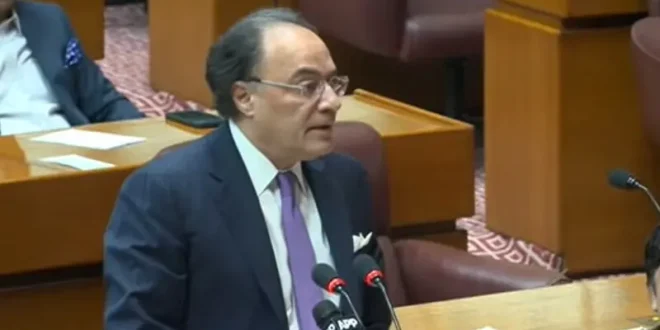
Finance Minister Muhammad Aurangzeb recently presented Pakistan’s proposed budget for Fiscal Year 2027, asserting that it lays the groundwork for “accelerating the sustainable growth” observed over the last two years. As the debate in the National Assembly concluded, the minister highlighted a strategic shift towards broadening the tax base, revitalizing agriculture, and implementing key reforms aimed at fostering an export-led economy. But does this budget truly offer a transformative pathway, or will it contend with familiar implementation hurdles and economic realities?
Unpacking the FY27 Budget’s Core Tenets
Aurangzeb’s address underscored the government’s foundational objective: achieving sustainable, inclusive, and export-led growth through enhanced productivity. Central to this vision is a significant reorientation of Pakistan’s taxation strategy. For years, the documented corporate sector and the salaried class have borne a disproportionate share of the tax burden, a trend the government claims to be reversing. The FY27 budget aims to deepen and broaden the tax net, rather than intensify the load on existing compliant taxpayers.
Key initiatives include the introduction of the Fixed Asaan Tax Scheme to bring more individuals and businesses into the formal tax system. Crucially, the government is committed to detaching tax policy from tax administration and introducing a new, automated tax operating model. This aims to minimize human interaction between taxpayers and tax officers, thereby reducing discretionary powers, preventing harassment, and promoting transparency through digitisation. This move is particularly significant given the long-standing complaints against the Federal Board of Revenue (FBR) regarding inefficiency and corruption.
Focus on Agriculture and Exports
Recognizing agriculture as the backbone of the national economy, the budget allocates substantial relief and developmental packages for farmers. Initiatives like the Zarkhez scheme offer interest-free and collateral-free loans to small-scale farmers. Significant subsidies for urea fertilizer and allocations for the Prime Minister’s Youth Business & Agriculture Loan Scheme (PMYB&ALS) are designed to boost productivity and empower rural communities. Furthermore, import duty reliefs on modern agricultural machinery and expanding cooperation with China in agricultural technology highlight a strategic push towards modernization and value addition in the sector.
The minister also highlighted positive trends in the external account, noting a current account surplus in the first 11 months of the current fiscal year (11MFY26) and record remittances. Value-added exports, particularly in garments, home textiles, and IT, showed encouraging growth, with IT exports alone witnessing a 20 percent increase. This emphasis on export-led growth is critical for improving Pakistan’s precarious balance of payments situation.
Social Relief and Fiscal Discipline
Beyond economic reforms, the budget includes measures to alleviate public hardship. Tax relief for the salaried class, increased pay and pensions for government employees, simplified pension processes, and the abolition of taxes on sanitary pads, contraceptives, and reduced taxes on life-saving medicines aim to offer some reprieve. Simultaneously, the government signaled a commitment to fiscal discipline, with the National Assembly saving Rs5bn and the Senate Rs1bn through austerity measures. Aurangzeb also referenced Pakistan’s recent diplomatic success in mediating a peace memorandum between the United States and Iran, crediting it with enabling a significant reduction in petroleum prices – a rare and welcome relief for citizens.
The Economic Landscape: Context and Challenges
Pakistan’s economy has been navigating a turbulent period marked by high inflation, currency depreciation, large fiscal and current account deficits, and heavy reliance on external borrowing, particularly from the International Monetary Fund (IMF). The “sustainable growth” cited by the minister must be viewed in this context. While recent indicators like a 6.6% growth in large-scale manufacturing and a 3.7% GDP growth in FY26 represent an improvement over previous years’ stagnation or contraction, they are often benchmarks against a very low base. Sustaining such growth rates requires deeper structural changes.
The persistent challenge of broadening the tax base has been a recurring theme in Pakistan’s economic planning for decades. A significant informal economy operates outside the tax net, placing an undue burden on compliant taxpayers. Previous attempts at FBR reforms have often met with resistance or failed to deliver systemic change due to entrenched bureaucratic practices and political interference. The budget’s promise of complete digitisation and removal of human interaction in tax processes is ambitious but critical for success.
The agricultural sector, despite its critical role, has often suffered from inadequate investment, archaic practices, and vulnerability to climate change. While government support is essential, the long-term transformation requires more than subsidies – it demands research, improved irrigation, and market linkages. Similarly, boosting exports necessitates not just incentives but also addressing supply-side constraints, improving product quality, and diversifying export markets.
Analysis: Ambition Meets Reality
Finance Minister Aurangzeb presents a budget that appears to correctly identify many of Pakistan’s chronic economic ailments. The shift from burdening existing taxpayers to broadening the net is economically sound and equitable. The commitment to FBR reforms through digitisation could be a game-changer if implemented rigorously and without compromise. Ending discretionary powers is crucial for building trust and compliance. The focus on agriculture and export-led growth aligns with strategies for long-term economic stability and job creation.
However, the skepticism voiced by some lawmakers during the budget debate, as well as by economic observers, is not unfounded. The success of these reforms hinges entirely on their diligent implementation and the sustained political will to overcome resistance. Broadening the tax net means confronting powerful vested interests operating within the informal economy. Digitisation initiatives, while promising, often face challenges in infrastructure, capacity building, and resistance from those who benefit from the old system.
The “sustainable growth” narrative, while positive, needs careful consideration. Many of the improvements in economic indicators are also tied to the stabilization efforts under ongoing IMF programs, which come with stringent conditions and austerity measures. The true test of sustainability will be Pakistan’s ability to maintain growth momentum and fiscal discipline independently of continuous external assistance.
Furthermore, the minister clarified that no changes were made to the methodology for economic indicators, addressing concerns about GDP growth figures. This transparency is vital for maintaining credibility, especially when reporting on sensitive economic data. The diplomatic success in US-Iran mediation, leading to fuel price reductions, offers a tangible, albeit potentially transient, economic dividend from non-economic avenues, underscoring the interconnectedness of geopolitics and domestic economics.
Conclusion: A Tightrope Walk Towards Prosperity
Pakistan’s FY27 budget, as articulated by Finance Minister Muhammad Aurangzeb, sets out an ambitious reform agenda aiming for sustainable, export-led growth and a fairer tax system. The focus on digitizing tax administration, modernizing agriculture, and promoting value-added exports addresses critical structural issues. While the past two years might show signs of recovery from severe economic distress, the journey to genuine sustainable prosperity is long and arduous.
The government faces the formidable challenge of translating policy intent into tangible results on the ground. This requires not just legislative action but consistent enforcement, capacity building, and most importantly, overcoming deeply ingrained systemic inefficiencies and political resistance. Achieving national consensus, as the minister rightly emphasized, will be paramount for these reforms to take root and deliver lasting economic development for Pakistan.
“`