Grand Trunk Road (G.T. Road) of Punjab is very historic and happening place as we can found enormous sights and tourists spots around it which connects us with our Past and also provide us information about the, people, culture and living style of our ancestors. If we travel towards northwest on Grand Trunk road from Rawalpindi and Islamabad, after 32 Km we can see almost 15 centuries old ruins of Taxila City, which takes us towards Gandhara era in 5th century A.D.
As this city contains the ruins of Gandhara culture that tells us the story of Gandhara period, which was religious center of Budhists and Hindus of that time.
The word taxila is an improvised form of word Takshashila or Taksasila according to archeologists, which is named after the son of Bharata brother of Hindu god Rama, we can find the story of Taksasila in Hindu’s religious book Mahabharata which was said to be first Recited at this place. There are several other names as per historians of this city but the name, which is recognized until now, is Taxila.
This place is also known, as ancient center for learning that includes mainly religious learning, followed with religious learning was arts, law, and military learning.
Taxila is ranked as top tourist destination of Pakistan by an English newspaper in 2006. Before that, Taxila was also declared a UNESCO World Heritage Site in 1980.
The Ruins of Taxila contains buildings and Stupas scattered on a large area. Archeologists say that these ruins were divided into three cities at that time. A number of Buddhist monasteries and Stupas are found in the ruins of Taxila that Includes:
Museum of Taxila: –
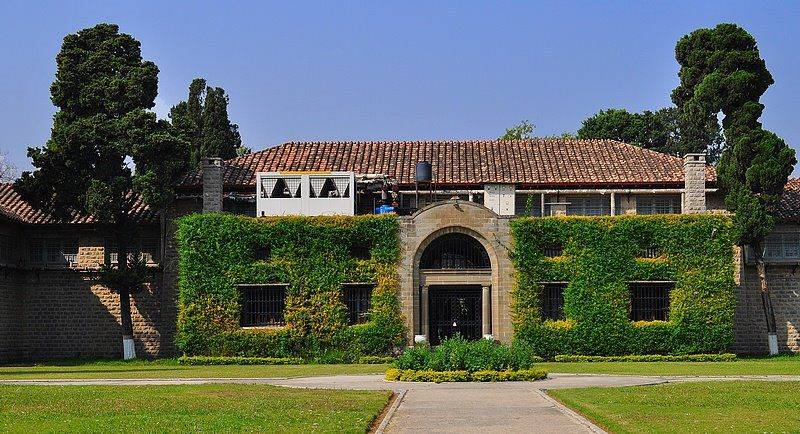
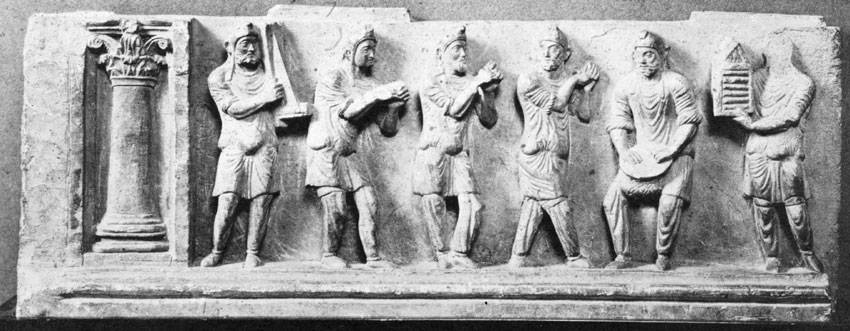
This is a contemporary building covering some of the artifacts and best-preserved sculptures from the city.
Mound of Bhir: –
These are the initial of ruins of Taxila. It is believed that this is the city that Alexander the Great visited.
Sirkap City: –
The largest part of Taxila Ruins layout of the city is almost same as Greek cities. Archeologists found few gems in this city that includes “Double Headed Eagle Stupa” and another structure, which is claimed to be of St. Thomas Aquinas.
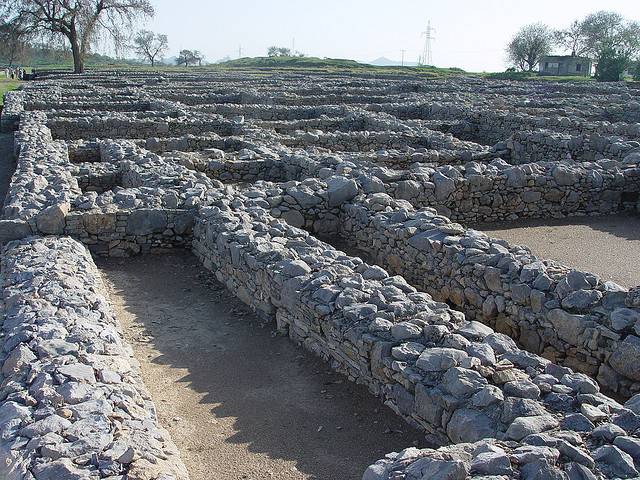
Temple of Jandial Greek:-
It is a small site that includes an old Greek style Temple, worth watching, as its structure is somewhat advanced to Gandhara Style.
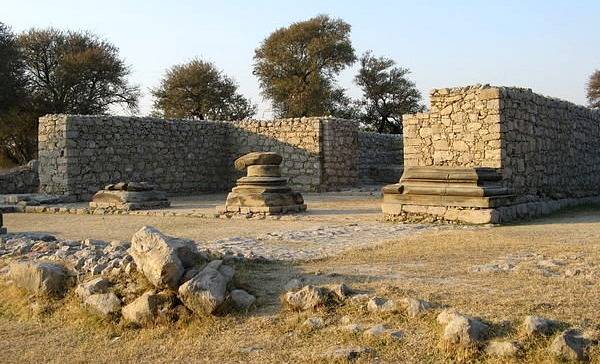
Stupa of Dharamarajika:-
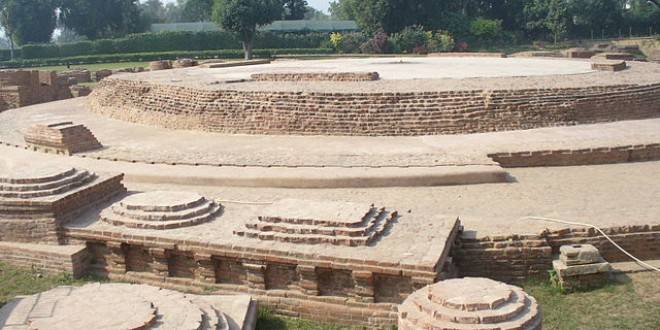
This is believed to be the largest Stupa found in the ruins of Taxila and about this Stupa it is claimed that Emperor Ashok built it himself in 3rd century B.C. We can also find a small water tank that is surrounded by rooms called cells of Monks.
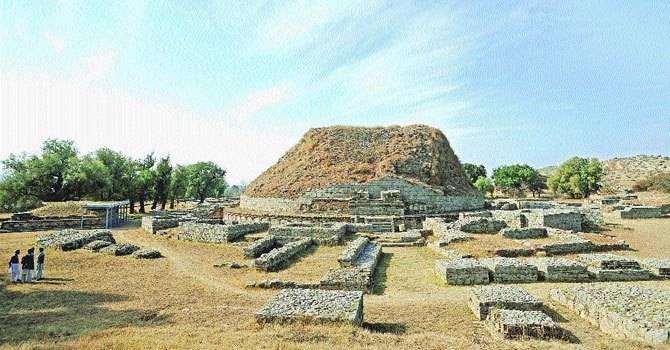
Sirsukh Ramparts:–
There are only walls, which were found and claimed by archeologists that this place was known as SirKap.
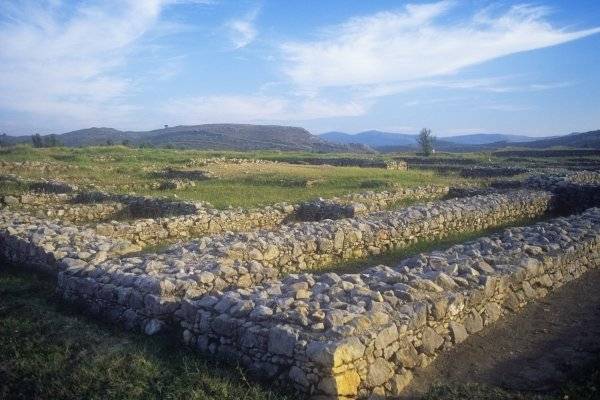
Mohra Moradu:-
This place was built in 2nd Century and its remains tell us that it was a Muslim’s mosque along with learning center, commonly known as Maderssah.
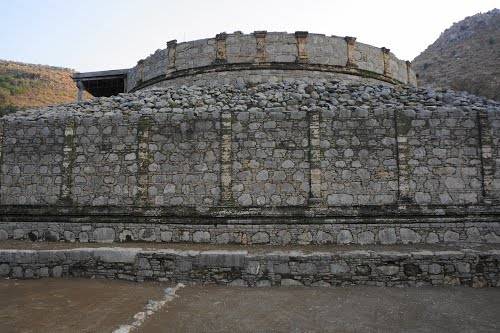
Monastery of Jaulian:-
Largest Ruins found in Taxila, Jaulian comprises some of the finest sculptures in “SITU” and was the source of several of the relics now located in the Museum.
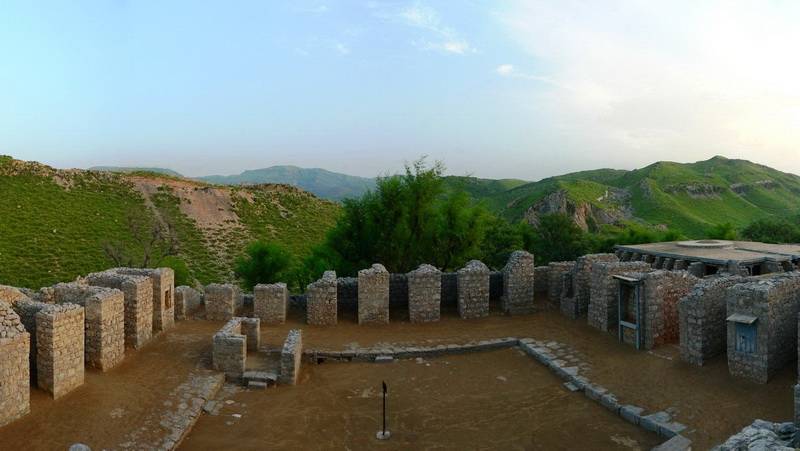
Now days Taxila is known as the Tehsil of Rawalpindi, and along with its history, Taxila is one of the Pakistan’s cultural and industrial hubs as it contains Museum portraying Gandhara Art on one hand, and heavy mechanical industry and small industries on other hand.